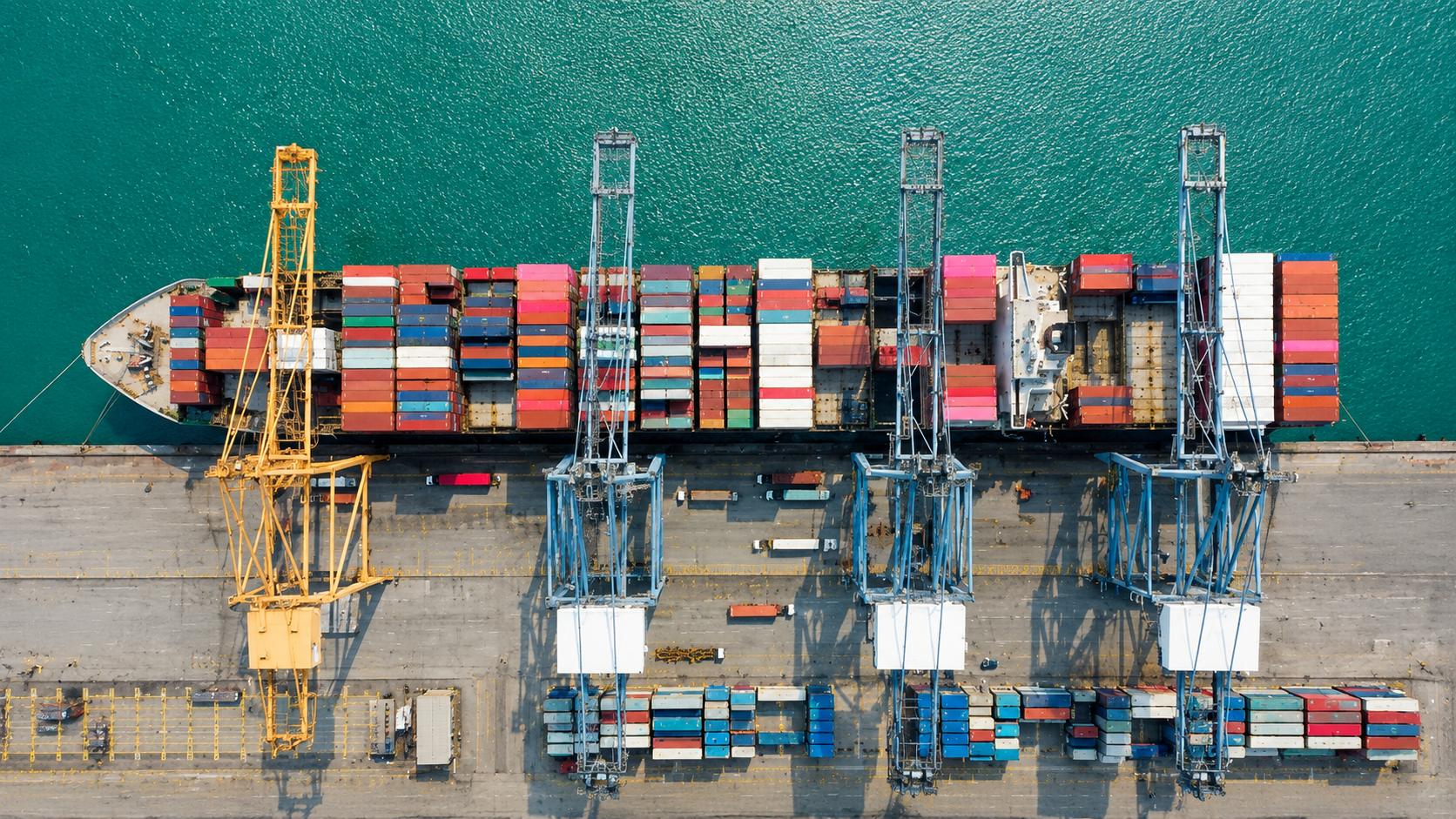
Industry specialists indicate cargo owners are rushing to place shipments in advance, aiming to deliver goods prior to fuel surcharge hikes, tariff policy adjustments and factory price markups. (Attached image: Container vessel moored at port terminal) Industry market monitoring data shows that although intermittent breakthroughs in unblocking shipping routes via the Strait of Hormuz have slightly cooled record-high fuel expenses this week, container freight prices keep surging amid robust demand from an earlier-than-usual peak shipping cycle. Logistics platform Freightos outlined a mix of catalysts triggering this premature peak shipping wave. Trans-Pacific cargo merchants are rushing to ship inventory beforehand to avoid steeper bunker adjustment factor fees, cope with expiring Section 122 tariffs and newly implemented Section 301 levies, as well as dodge manufacturers’ price rises scheduled for July. Freightos released concrete pricing data to back up this trend. Trans-Pacific shipping prices bound for the US West Coast jumped 19%, exceeding $5,700 per forty-foot equivalent unit (FEU), while rates for transatlantic shipments heading to America’s East Coast rose 13% to hit $7,400 per FEU. Current spot market freight rates have already outstripped the peak pricing benchmark recorded last year. Freightos analysts commented that June’s dramatic freight price uptick illustrates a key market reality: despite continuous expansion of the worldwide container ship fleet, surging cargo demand and importers’ rush to ship goods have collectively pushed spot market fees to extremely costly levels. Multiple compounding factors have fueled cargo owners’ sense of urgency: already inflated baseline fuel-related costs, vessel reroutes to bypass the Red Sea, and port bottlenecks typical of peak periods that create transit delays and slash usable transport capacity. Global freight intermediary C.H. Robinson shared identical market observations. Its internal research revealed ocean freight market tightness has materialized far sooner than projected, with the market outlook signaling that importers will face tougher shipping conditions before any market relief emerges. Mike Short, Global Forwarding President at C.H. Robinson, stated in an official statement: “We are witnessing forward-shifted booking volumes across all Trans-Pacific trade lanes. Merchants are stocking up inventory ahead of schedule to offset predictable cost hikes. The peak shipping rush has kicked off ahead of schedule, narrowing the timeframe to lock in ideal departure schedules. Right now, cargo owners compete not merely for available container space, but for priority sailing slots that match their delivery timelines.”
© 2026 Ocean Sourcing Hub
Ocean Shipping: Pre-Advanced Peak Season Drives Container Freight Charges Upward
Latest Comments
No comments to show.
© 2026 Ocean Sourcing Hub. Created with ❤ using WordPress and Kubio
No responses yet